
The Difference Between a Damp Crawl Space and a Wet Crawl Space
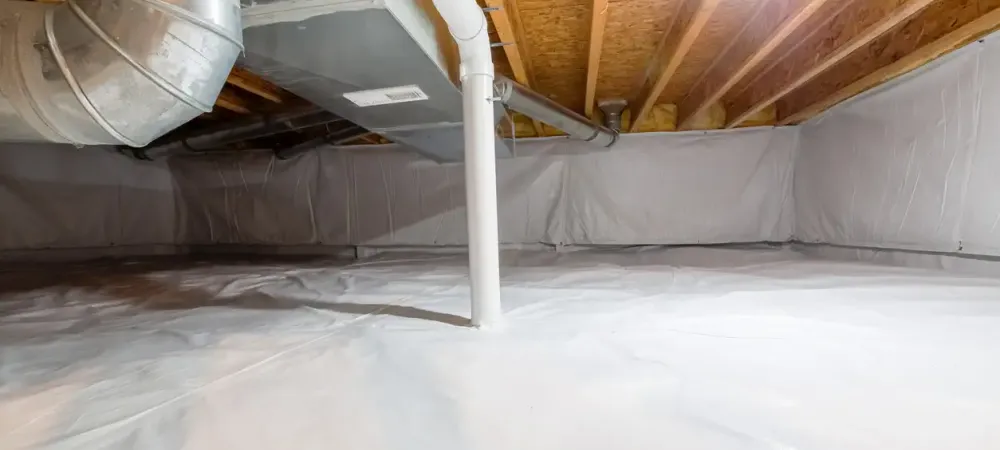
"Moisture in the crawl space" can mean a lot of different things, and the difference matters more than most homeowners realize. A slightly damp crawl space and a genuinely wet one call for very different solutions. Understanding where your home falls on that spectrum can help you catch a problem early, before it turns into mold, wood rot, or structural damage.
What a Damp Crawl Space Looks Like
A damp crawl space is the more common — and more subtle — of the two conditions.
- High humidity, not standing water. The air feels heavy and the soil may feel slightly moist to the touch, but there's no visible pooling.
- Condensation on surfaces. You might notice moisture beading on ductwork, pipes, or the underside of subflooring, especially during warmer months.
- A musty smell. Persistent humidity encourages mold and mildew growth, which often shows up as an odor before it's visible.
- Gradual material wear. Over time, damp conditions can cause wood to soften, insulation to sag, and metal fasteners to corrode, even without any obvious flooding.
What a Wet Crawl Space Looks Like
A wet crawl space is a more urgent problem, usually tied to an active source of water intrusion.
- Standing water or mud. You may see puddles, saturated soil, or visible water lines on the foundation walls after rain.
- Active leaks or drainage failures. Wet crawl spaces are often linked to grading issues, a failing sump pump, gutter overflow, or a cracked foundation wall.
- Visible mold growth. Because moisture levels are higher and more constant, mold tends to appear faster and spread further in a wet crawl space than a damp one.
- Structural risk. Prolonged exposure to standing water can lead to warped floor joists, rotted support beams, and even pest infestations drawn to the moisture.
Why the Distinction Matters
Treating a wet crawl space like a damp one, or the reverse, can lead to wasted money or an unresolved problem.
- Damp crawl spaces often respond well to improved ventilation, a vapor barrier, or a dehumidifier paired with better airflow.
- Wet crawl spaces usually need the water source addressed first, whether that's regrading the yard, extending downspouts, or installing a dedicated drainage system, before any barrier or dehumidifier will be effective.
- Both conditions can affect the air quality in the rest of your home, since air from the crawl space rises into living areas through what's known as the stack effect.
We break down how these conditions develop over time in How Moisture Builds Up in Crawl Spaces and Basements, and explain the indoor air quality connection in Why a Dry Crawl Space Matters for Indoor Air Quality. If your crawl space tends to flood after storms, our post on why water gets in your crawl space after heavy rain walks through the most common causes.
Getting the Right Fix for Your Crawl Space
Whether your crawl space is dealing with lingering humidity or standing water, the right long-term fix depends on an accurate diagnosis. Our team at A-Academy offers expert moisture control services throughout New Jersey, including inspections that pinpoint whether you're dealing with a damp space, a wet space, or both. Contact us today for a free evaluation of your crawl space.